


Pakistani Dresses in USA
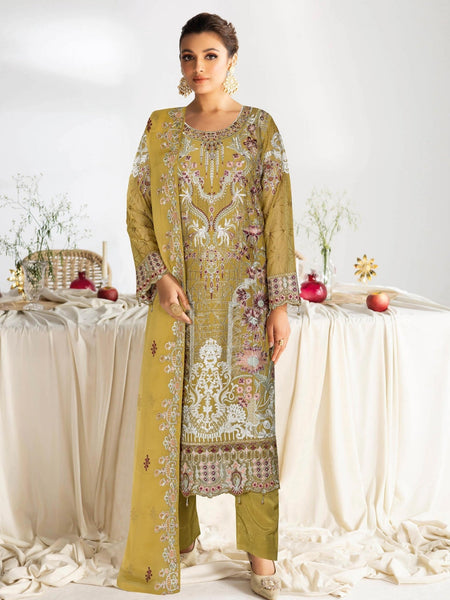
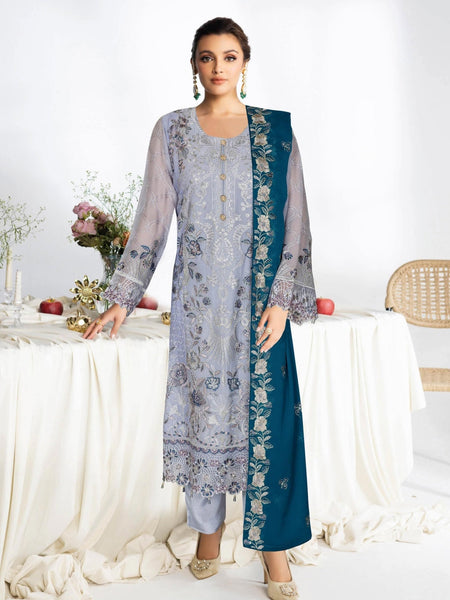
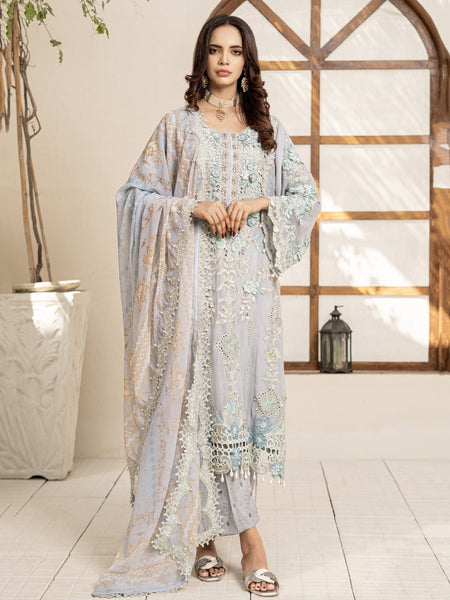
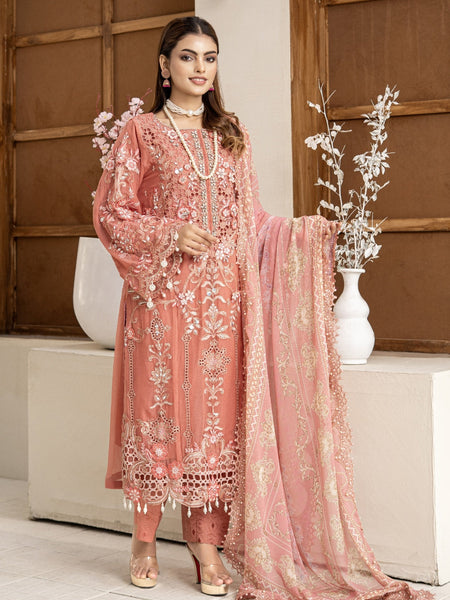
Discover authentic Pakistani dresses online for women in the USA at Fabricoz USA. Shop 500+ original designer styles curated for weddings, parties, and special occasions. Free shipping across USA, custom stitching, and 1-week urgent delivery from Seattle.
Orders ship domestically from our Seattle hub — no import duties, no customs delays, no tariff surcharges. Our online collection features premium fabrics including chiffon, silk, velvet, and lawn — from leading Pakistani fashion houses including Maria B, Sana Safinaz, Asim Jofa, and Ramsha. Choose from ready-to-wear outfits or opt for custom stitching tailored precisely to your measurements for a boutique-quality fit. Every design blends traditional craftsmanship with modern elegance, offering silhouettes that flatter and elevate your wardrobe.
Product Collection
- ❤ Duty/Tariff Free Delivery in USA ❤
- ❤ 1 WEEK URGENT DELIVERY FROM USA ❤
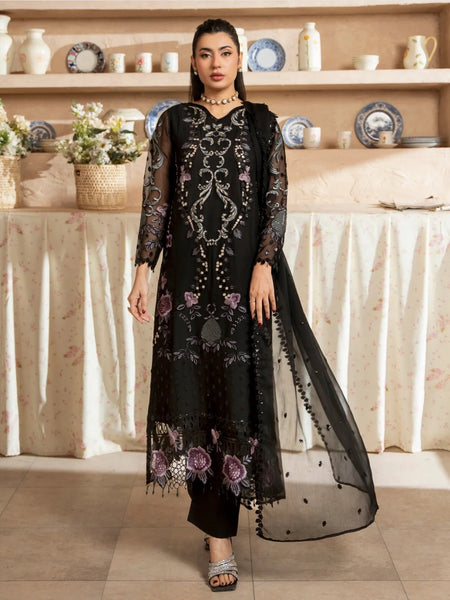
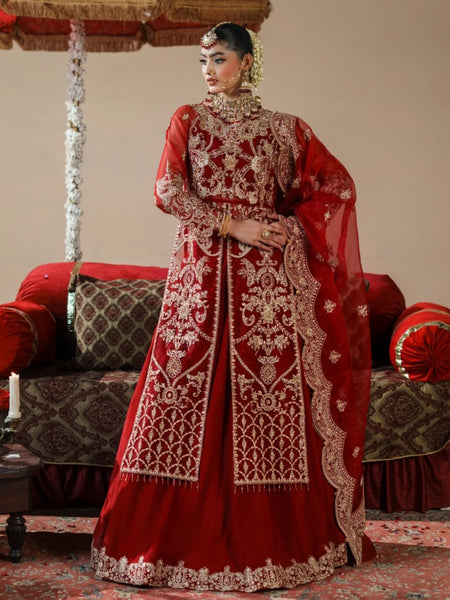
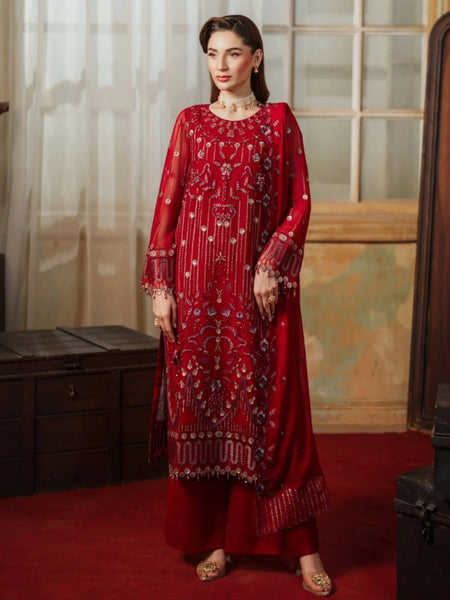
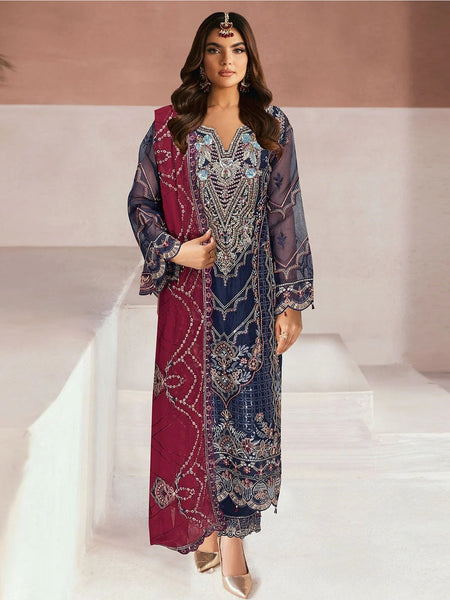
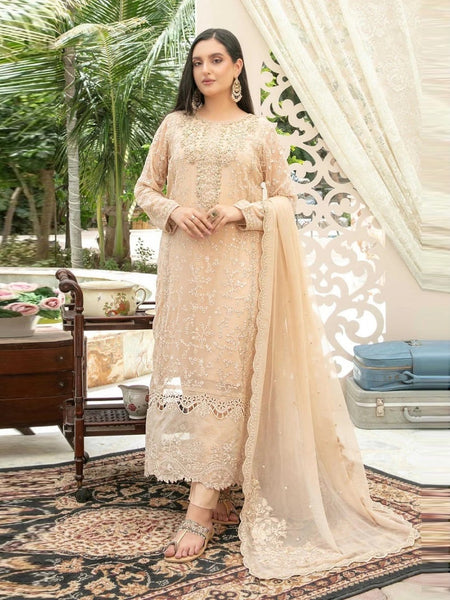
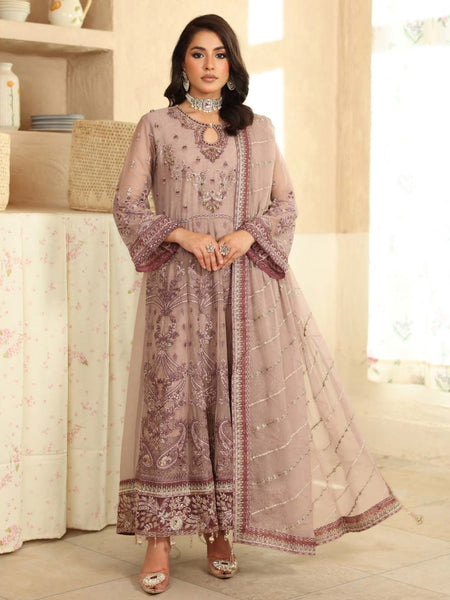
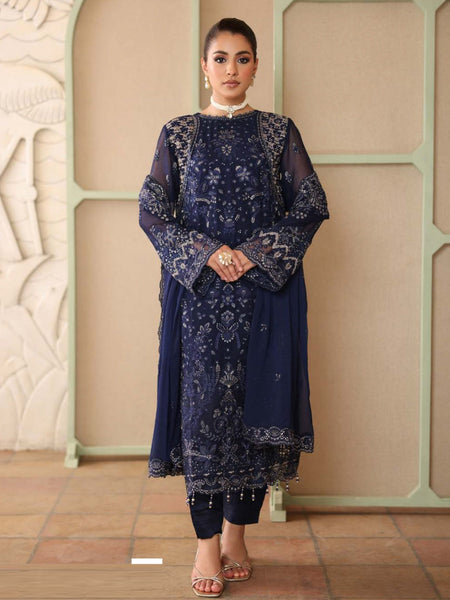
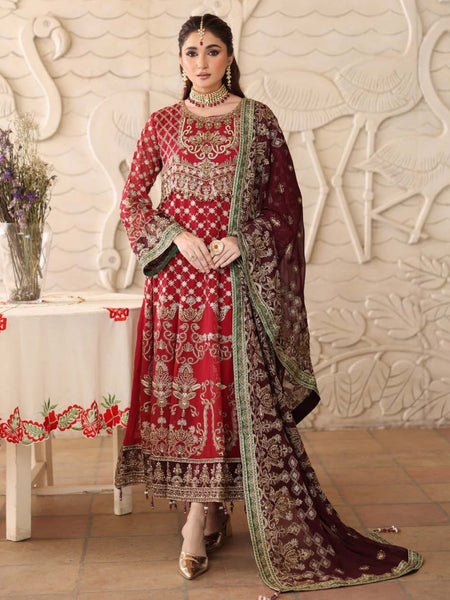
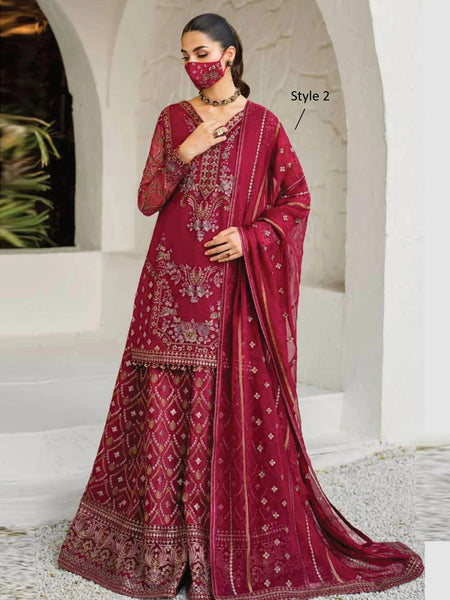
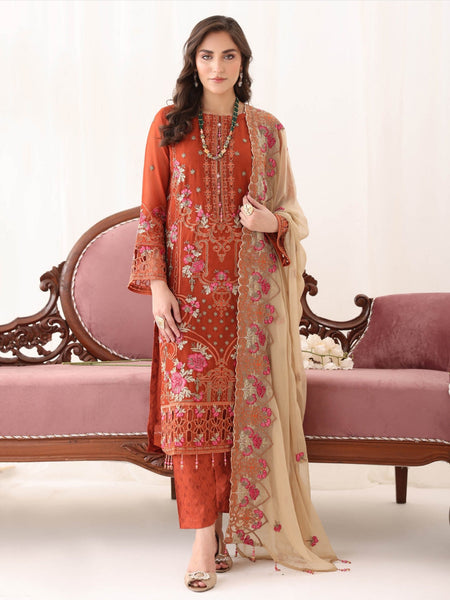
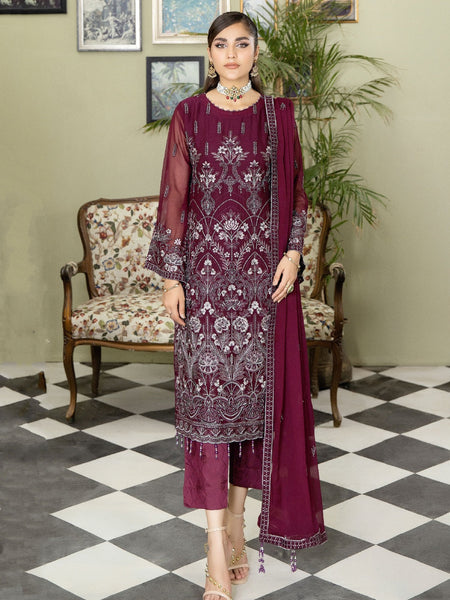
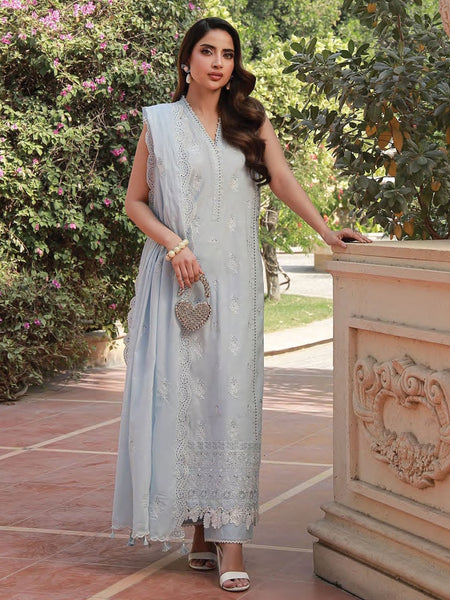
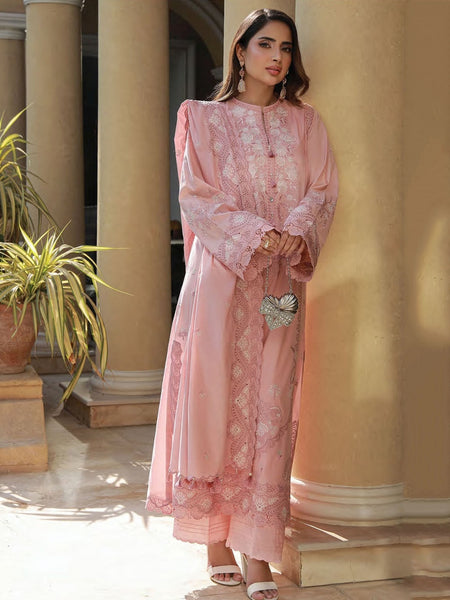


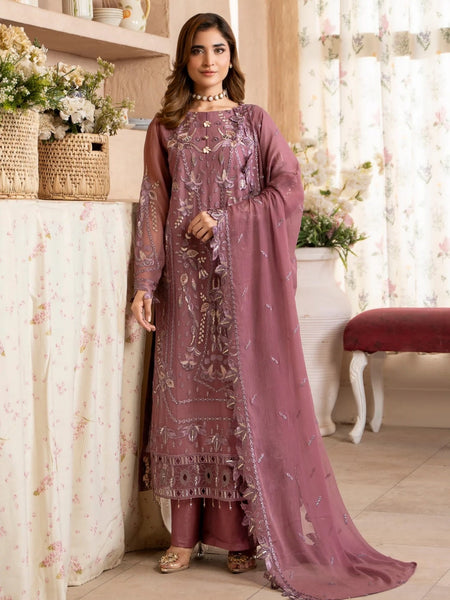
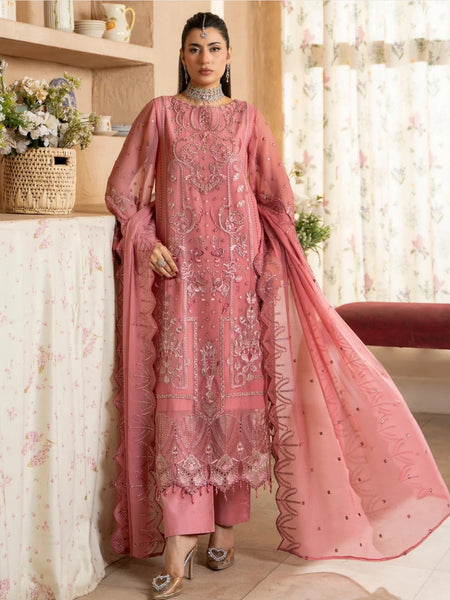
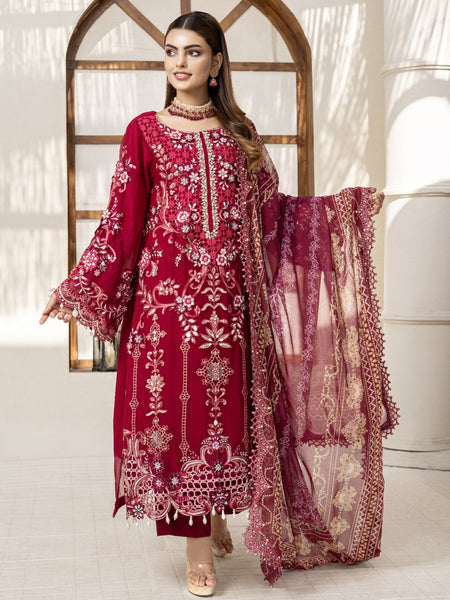
Shop Authentic Pakistani Dresses for Women in the USA
Discover and shop our captivating collection of stylish, elegant, and distinctive Pakistani dresses online in the USA. Fabricoz USA presents exclusive designer apparel crafted with premium fabrics, intricate embroidery, and refined finishing. Our curated selection offers timeless silhouettes and modern interpretations designed for women who value authenticity, craftsmanship, and sophisticated style. Fabricoz USA proudly offers original designer collections sourced directly from leading Pakistani fashion houses such as Maria B, Sana Safinaz, Gul Ahmed, and Asim Jofa. Each outfit reflects premium fabric quality, detailed embellishments, and contemporary tailoring standards that elevate traditional aesthetics. Every piece is 100% original — sourced directly from the brand, with no master copies or replicas.
Pakistani dresses are a key category within traditional Pakistani clothing, designed for weddings, formal events, and special occasions.
READ MORE
Shop Pakistani Dresses by Occasion in the USA
Whether you are attending a wedding, formal reception, engagement celebration, or evening event, our collection offers styles tailored to every special occasion. Our Pakistani party dresses range from heavily embroidered formal ensembles to refined chiffon and silk sets for evening events — each thoughtfully designed to help you stand out with confidence and elegance.
Our assortment also includes versatile designs suitable for festive gatherings and sophisticated daytime events, ensuring you can find the perfect outfit no matter the occasion.
Ready-to-Wear & Custom Stitched Pakistani Dresses
Choose ready-to-wear Pakistani dresses for immediate styling convenience or select professional custom stitching tailored to your exact measurements. Our experienced tailoring team provides adjustments in sleeve length, lining, neckline, and overall structure to achieve a precise, boutique-level fit.
We offer plus size Pakistani dresses with professional custom stitching available to your exact measurements. Whether you require standard or extended sizing, our tailoring team ensures a precise, flattering fit for every body type.
Custom stitched orders are handled with attention to detail to maintain fabric integrity, embroidery alignment, and finishing quality while ensuring dependable delivery timelines within the United States.
Why Shop Pakistani Dresses from Fabricoz USA
Operating from our Seattle hub, we deliver Pakistani dresses across all 50 US states — whether you are shopping from New York, Los Angeles, Houston, Chicago, Dallas, or anywhere in between. Faster delivery times, simplified domestic returns, and responsive customer service tailored to shoppers in the United States. Domestic fulfillment means no international shipping delays and reliable order tracking from purchase to delivery.
How to Choose the Right Pakistani Dress
Select your outfit based on the event type, season, and preferred level of embellishment. Lightweight fabrics such as lawn and chiffon are ideal for warmer weather and daytime occasions, while silk, organza, and velvet provide structure and richness suited for formal events and evening wear.
Consider whether you prefer ready-to-wear ease or a customized fit tailored specifically to your measurements. Choosing the appropriate fabric, embroidery intensity, and silhouette ensures your dress complements both the occasion and your personal style. For Indian ethnic wear alternatives, explore our Salwar Kameez, Lehenga Choli, and Anarkali Dresses collections.
While this collection focuses on our signature Pakistani Dresses, you can browse our full range of Pakistani Clothes in the USA on our homepage.
Frequently Asked Questions
What Our Customers Say About Our Pakistani Dresses
"Honestly I was nervous ordering this Pakistani dress online before my cousin’s wedding, but the chiffon fabric felt lightweight, the embroidery looked beautiful in photos, and the stitching quality was much better than many outfits I’ve purchased locally before."
Mohsina - USA
(Verified ✔)
"Beautiful Pakistani dress with elegant embroidery and neat stitching with timely delivery. Material felt rich and comfortable instead of thin or cheap."
Fatima A. - USA
(Verified ✔)
"Ordered this Pakistani outfit for a friend’s wedding and received compliments all evening. Several people asked where I bought it because the colors and embroidery looked even prettier in person than the website photos."
Emzmua - USA
(Verified ✔)
"The fabric felt soft and breathable even after wearing the outfit for several hours during a family celebration. Embroidery details looked very neat and professionally finished throughout the suit."
Davishi D. - USA
(Verified ✔)
"My custom stitched Pakistani suit fit really well and delivery arrived earlier than expected before Eid."
Sana R. - USA
(Verified ✔)
"Loved this Pakistani dress. Looked elegant, photographed beautifully and felt very comfortable during the event. They shipped as requested and expected."
Areeba K. - USA
(Verified ✔)
"The fabric quality genuinely surprised me because the Pakistani outfit felt premium immediately after opening the package. The stitching, lining and embroidery details all looked professionally finished, and the dress matched the designer photos online almost exactly."
Hira S. - USA
(Verified ✔)
"Elegant Pakistani dress with beautiful embroidery and flattering fitting throughout the outfit. I wore it for nearly six hours during a wedding function and still felt comfortable by the end of the evening."
Samina N. - USA
(Verified ✔)
"Delivery arrived before our Eid gathering and the Pakistani suit looked exactly like the website photos. The embroidery and fabric quality honestly exceeded my expectations."
Nadia K. - USA
(Verified ✔)


FABRICOZ HELP


