


Indian Dresses for Women
Discover the finest Indian dresses at Fabricoz USA, the premier Seattle-based store for women's Indian dresses in USA. With 600+ Indian dress styles, free US shipping, custom stitching, and 1-week urgent delivery from Seattle. Explore a wide range of Indian dresses, perfect for weddings, festivals, and formal parties. From elegant Anarkali suits to embroidered Indian dress and contemporary Indian designs, every garment is 100% original designer wear. With professional custom tailoring, each outfit delivers a perfect boutique fit for every silhouette. Shop with confidence and skip international shipping delays—our Seattle hub ensures fast, trackable delivery across the USA, including California, Texas, New York, and beyond. Enjoy hassle-free domestic returns, expert support, and free shipping on every order, making Fabricoz USA the top destination for Indian dresses in the USA.
Product Collection
- ❤ Duty/Tariff Free Delivery in USA ❤
- ❤ 1 WEEK URGENT DELIVERY FROM USA ❤
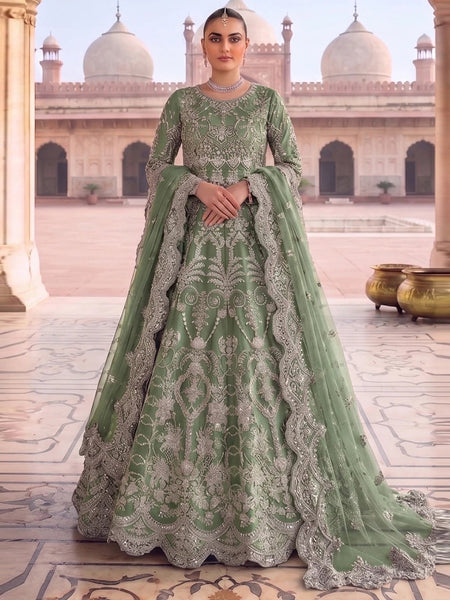
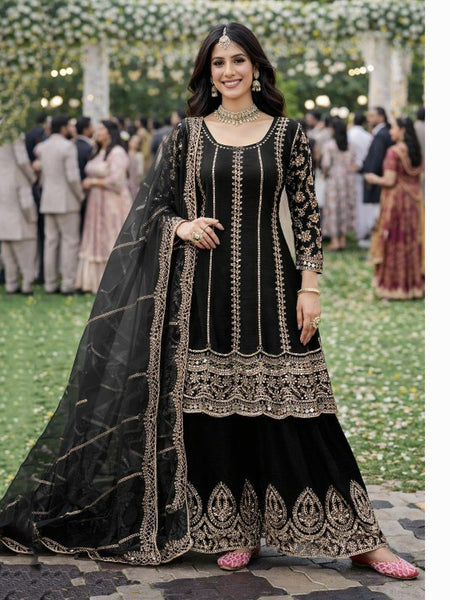
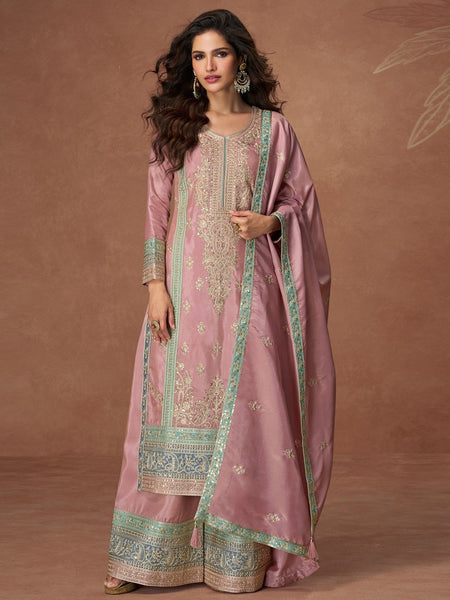
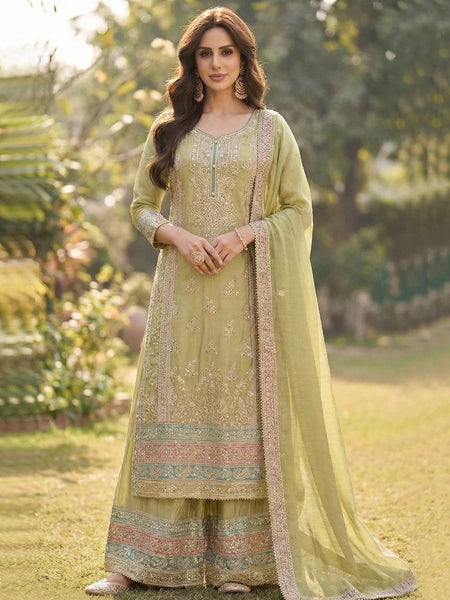
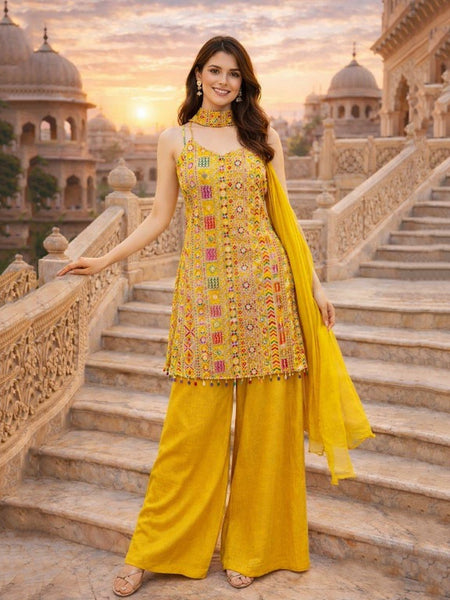
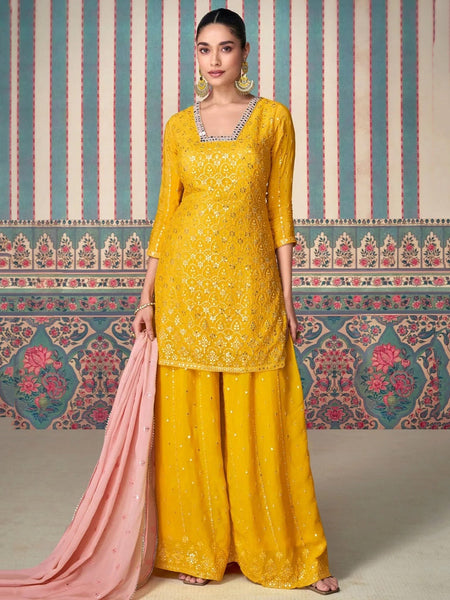
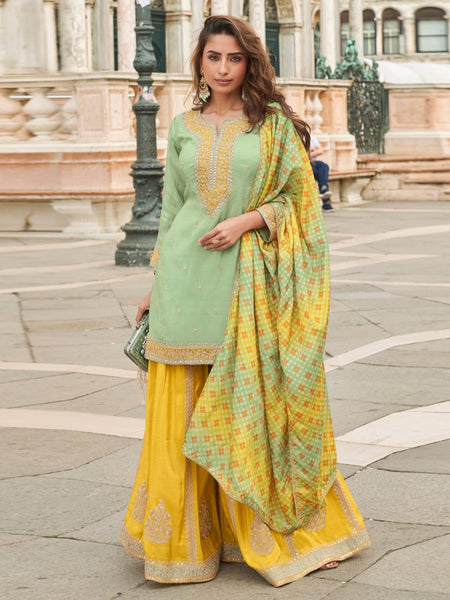
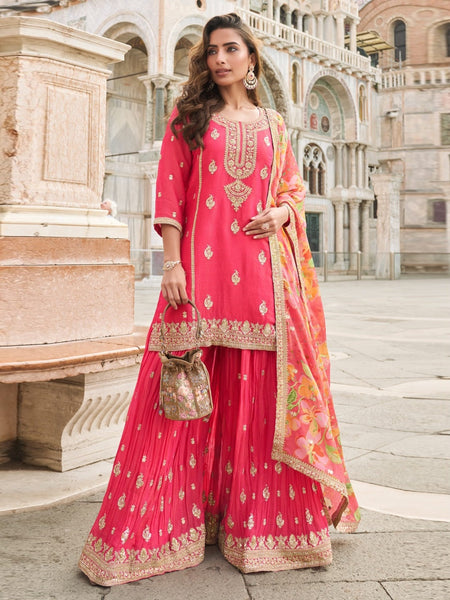
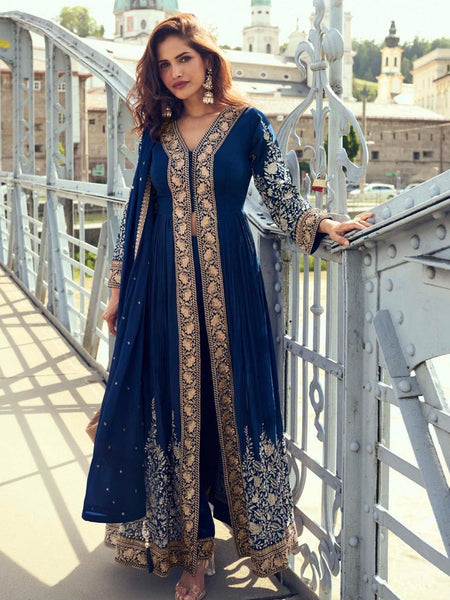
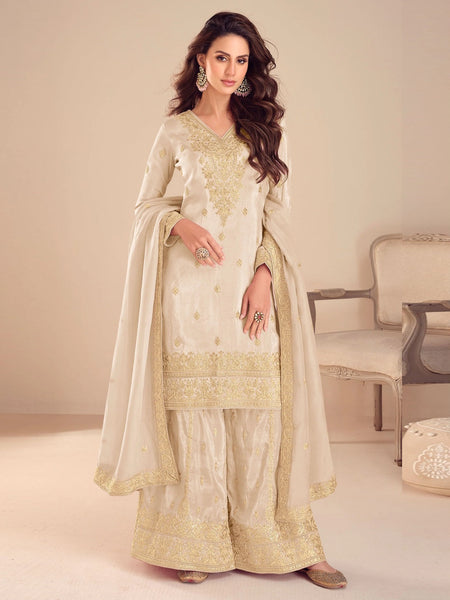
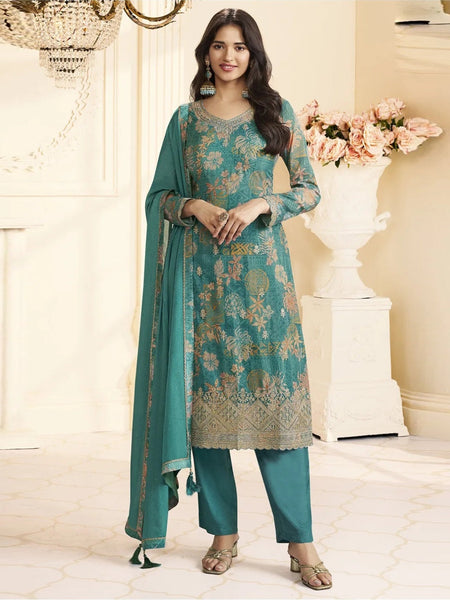

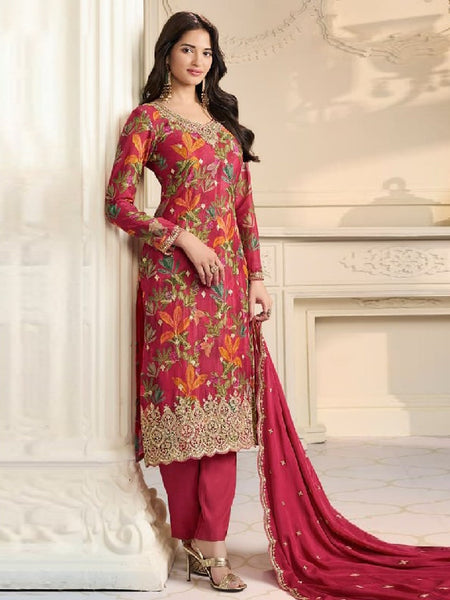
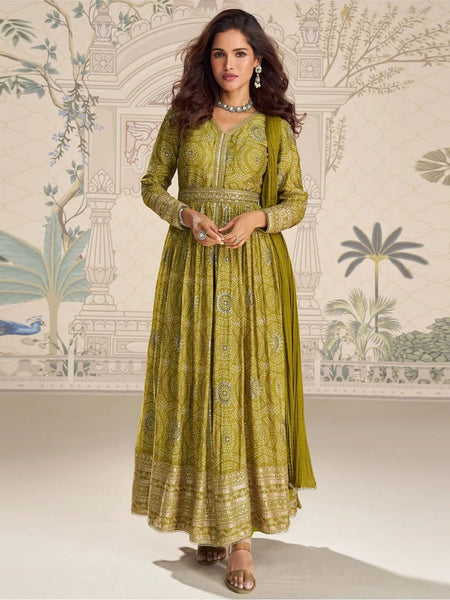
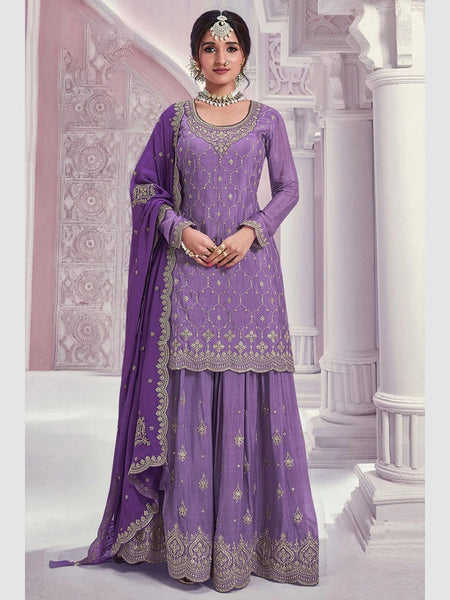


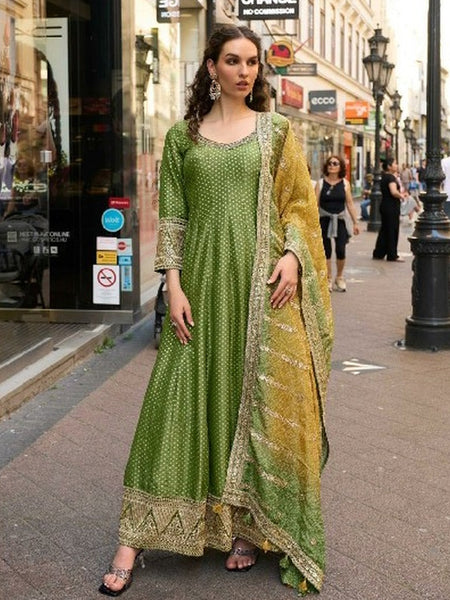
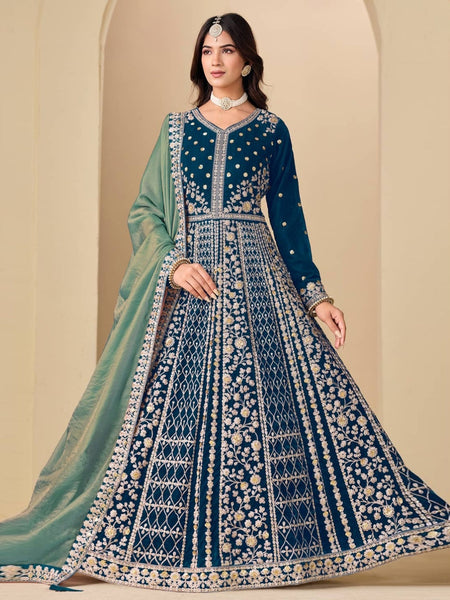
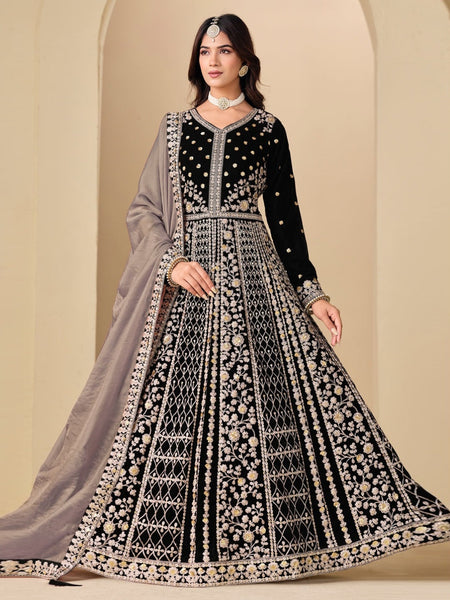
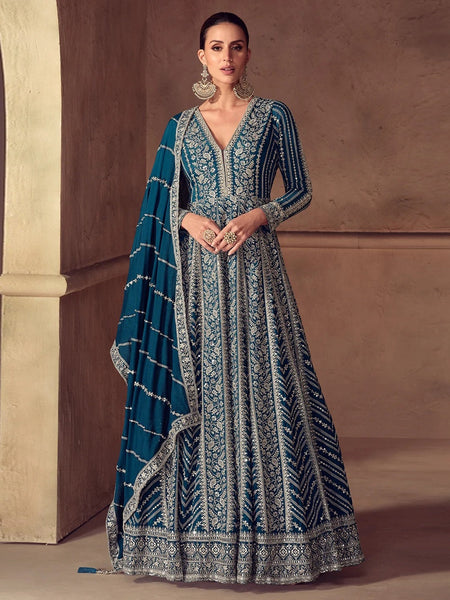
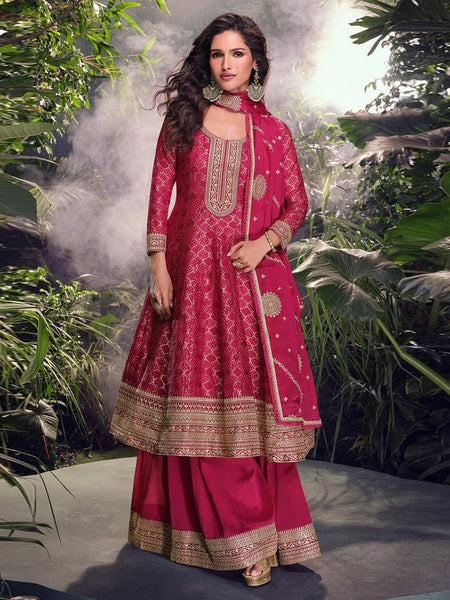
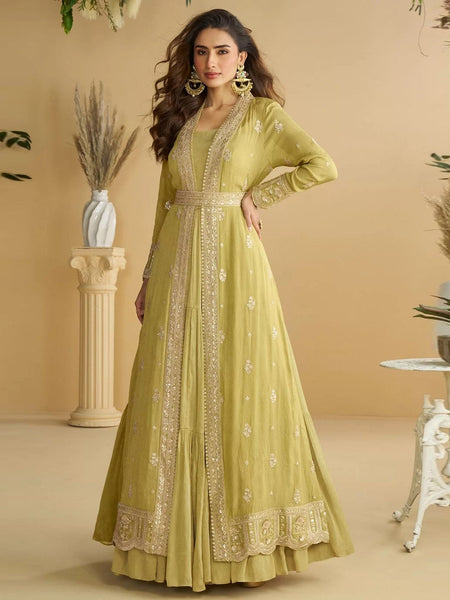
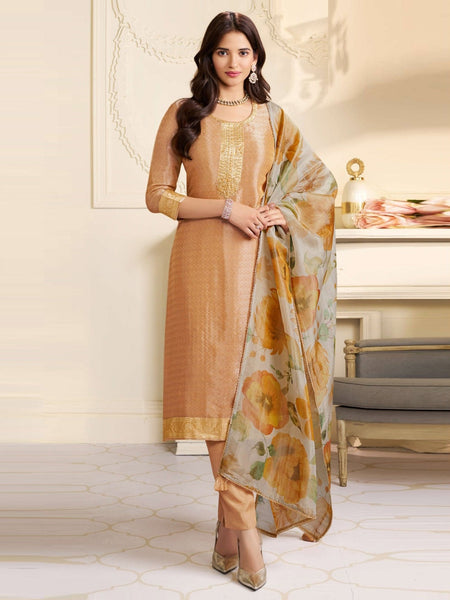
Shop Indian Dresses for Women in USA
Discover the vibrant allure of traditional Indian dresses, celebrated for their intricate artisanal embroidery, rich heritage, and sophisticated silhouettes. At Fabricoz USA, we understand that for the modern woman in America, finding high-quality Indian dress that balance cultural authenticity with a perfect fit can be a challenge. That is why our Seattle-based store curates an exclusive selection of Indian dresses for women in the USA, specifically designed to meet the fashion standards of our North American clientele.
Whether you are attending a gala in New York, a wedding in Dallas, a festive celebration in Los Angeles, or a cultural event in California, our collection offers the diverse range of styles needed to make a statement. Our collection includes a wide variety of silhouettes such as Anarkali suits, contemporary straight-cut sets, festive ensembles, and occasion-ready statement pieces — all curated under one comprehensive destination.
READ MORE
Why Fabricoz USA is the Best Store for Indian Dresses in USA
Shopping for Indian dress online can be risky due to international shipping delays and low-quality replicas. Fabricoz USA eliminates these concerns. As a Seattle-based store, we manage all quality control and distribution from our Washington hub. Your orders are processed locally, ensuring fast, trackable shipping across the United States — from Chicago to Houston and beyond.
We prioritize 100% authenticity, sourcing only original designer apparel from prestigious Indian labels. Each piece is selected to combine traditional craftsmanship with modern styling, allowing our US customers to enjoy premium Indian ethnic wear without compromise. No replicas, no imitations — every garment is 100% original.
A Magnificent Collection of Indian Dresses for Weddings & Festivals
Searching for the perfect Indian outfit for weddings, engagements, or festive events? Our collection of Indian dresses for women is meticulously curated to exceed expectations. From heavy bridal Lehengas adorned with Zardosi embroidery to sophisticated Salwar Kameez, every garment is prepared to boutique standards by our Seattle-based team.
Whether you are shopping for an Indian wedding dress, a sangeet ensemble, a mehendi outfit, or a Diwali celebration look — our collection covers every occasion with authenticity and style. We understand that an Indian wedding dress is a centerpiece of lifelong memories, and our curated selection ensures every outfit reflects cultural authenticity while providing a perfect fit for the modern American woman.
Exploring Varieties of Indian Suits, Lehengas & More
The beauty of Indian clothing lies in its regional diversity. At Fabricoz USA, we bring this to the US market through a wide array of categories. Our Anarkali Suits are favorites for royal elegance, while Sharara and Gharara sets are top-trending styles for Indian dresses online.
For a fusion of comfort and fashion, our Palazzo sets offer a modern take on traditional Indian attire. Sleek Straight Cut Suits cater to social events and everyday luxury, while our festive ensembles are perfect for celebrations nationwide.
Professional Custom Stitching for the Perfect American Fit
Standard sizes rarely achieve the boutique-quality fit required for luxury ethnic wear. Fabricoz USA offers professional, made-to-measure tailoring for all Indian dresses for women. Our expert tailors work with your specific body measurements, including plus-size Indian outfits, ensuring each garment is crafted to perfection.
Simply provide your measurements through our online form, and our Seattle-based team will ensure your outfit arrives ready-to-wear, flawlessly tailored to your unique silhouette.
Fast Shipping & Domestic Returns Across the United States
Fabricoz USA provides reliable, fast shipping for Indian dresses in the USA. By operating from our Seattle hub, we guarantee Free Shipping to all 50 states, including New Jersey, New York, and California. For urgent needs, express delivery ensures your order arrives within 7 days.
Unlike international stores, our returns are handled domestically, giving you absolute peace of mind and seamless customer service for all Indian dresses purchased online in the USA.
The Complete Destination for Indian Dresses Online in USA
Fabricoz USA is the premier US-based destination for authentic Indian dress for women online. From timeless traditional silhouettes to modern designer interpretations, every piece is sourced from verified labels, custom stitched to your measurements, and shipped free from our Seattle hub to all 50 states — with domestic returns and 1-week urgent delivery available.
Frequently Asked Questions
What Our Customers Say About Our Indian Dresses
"I wore this Indian dress for our anniversary celebration and loved how elegant the embroidery looked under evening lights. The fabric stayed comfortable all night and I received many compliments from family members."
Fariha - USA
(Verified ✔)
"The outfit arrived quickly for it was an urgent order and fit comfortably right away. Didn’t need any alterations before the party."
Jessica P. - USA
(Verified ✔)
"Beautiful Indian dress with soft fabric, clean stitching to my measurement and very pretty detailing around the neckline. The colors looked exactly like the website photos after delivery."
Afreeda - USA
(Verified ✔)
"I usually hesitate ordering ethnic outfits online because sizing can be unpredictable, but this Indian dress felt lightweight, comfortable and easy to wear through our entire family celebration without needing constant adjustments or alterations."
Isha V. - USA
(Verified ✔)
"The colors looked rich in person and the embroidery gave the outfit a festive appearance without feeling too heavy."
Sharmin J. - USA
(Verified ✔)
"This Indian outfit honestly looked much more premium than expected after delivery. The stitching quality, embroidery work and finishing details all stood out immediately, and several relatives asked where I had purchased the dress from during the event."
Aisha M. - USA
(Verified ✔)
"Received compliments almost immediately after arriving at the party. The dress photographed beautifully throughout the evening."
Kavya P. - USA
(Verified ✔)
"Very comfortable Indian dress for long family functions and festive celebrations. The fabric stayed breathable and lightweight even after wearing the outfit continuously for several hours during the event."
Sana S. - USA
(Verified ✔)
"Delivery arrived before our family celebration and the Indian dress looked exactly like the website pictures. The embroidery and fitting honestly exceeded my expectations."
Neha Kapoor - USA
(Verified ✔)


FABRICOZ HELP


